Haul path
Disaster relief
Relief packs that need reliable braking on rough detours.
Paired trailer: Dual Axle Hauler

Emergency loads on rough detours
Disaster relief loads often combine bottled water, food parcels, blankets and boxed medical stock on one run. Routes can shift from tar to washboard gravel after flooding or storm damage, so braking control and tiedown points matter from the first dispatch. For this haul path, the paired trailer is the Dual Axle Hauler, and related units sit under Trailers.
Weight sits differently when relief packs are stacked beside generators, pumps or field tents. KZN rain, Lowveld mud, Karoo dust and potholes around depots all affect tyre checks, wheel bearings and how often crews recheck straps. A light leisure setup is the wrong fit where aid stock must travel into damaged access roads.
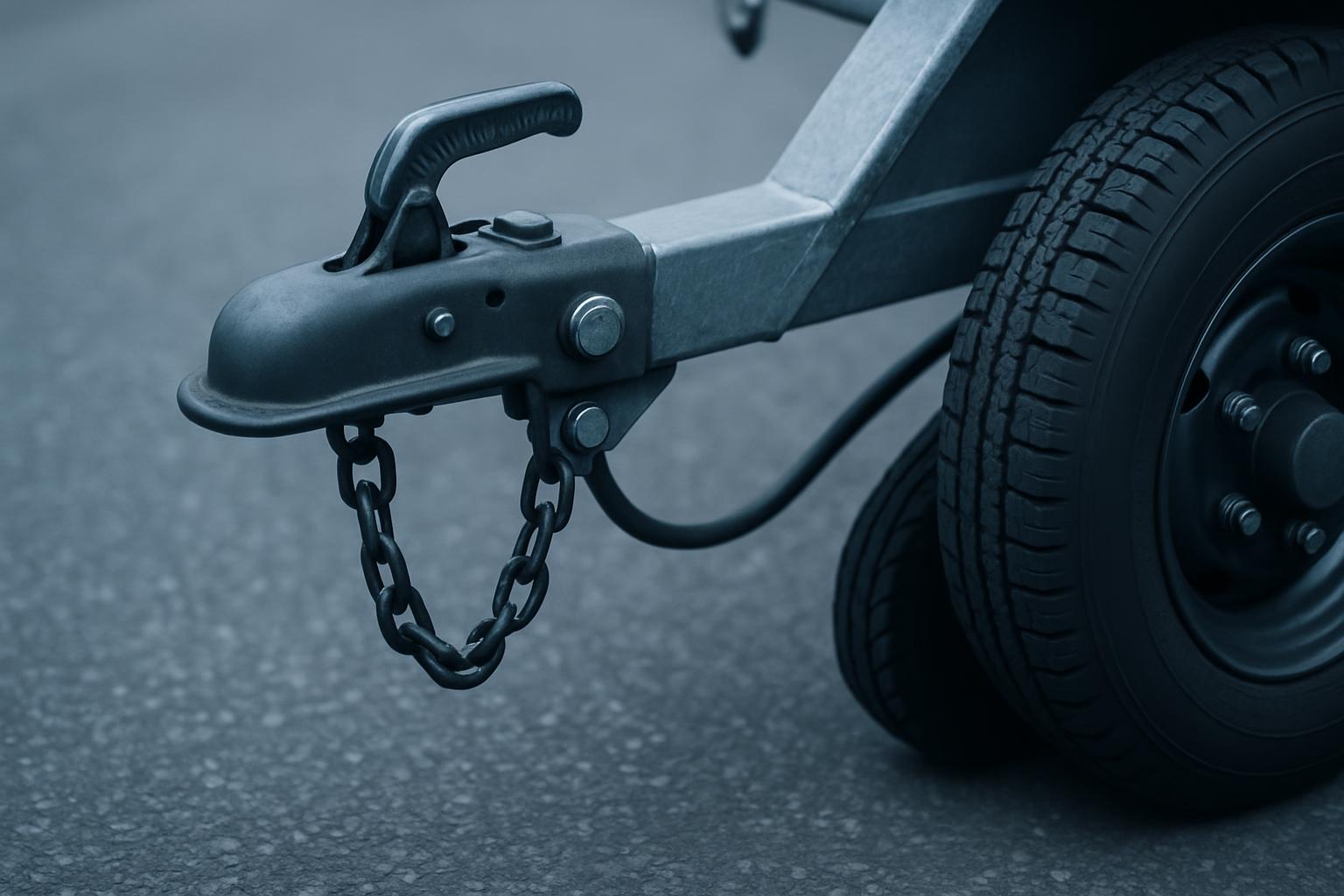
Take photos of the loaded trailer before departure, with the coupling, safety chains, lights and strap positions clearly visible. Those images help the next crew repeat a stable load plan when supplies have to move from yard to community hall, clinic or school grounds. Send the haul name and the trailer tested through our contact form.
Relief run yard checks
- GVM plate checked before loading
- Coupler level with tow ball height
- Marker lights visible through dust
- Spare wheel and jack packed
- Brake and hub notes from Axles
Handover notes help when one team loads in the morning and another tows after dark. Include the relief route, loading point and whether the trailer will enter school yards, sports fields or temporary aid depots. Clearwater, Cresta, Pavilion, Tyger Valley, Baywest, Mimosa and Riverside operate on booked hours.
Common relief load mistakes
Problems start when bulky donations are packed high and heavy items are left loose at the tail. Water drums, gas cylinders and generators need a different restraint plan from cartons of nappies or dry food. A trailer that only nearly suits the cargo can become difficult to manage on broken district roads.
Read the related axle notes for load distribution, tie-down rhythm, and brake honesty. The editorial team writes for Germiston mornings and coastal Fridays without filler. Operated by Astros Marketing (Pty) Ltd from 2 Makro Place, Sunnyrock 1401.
Some relief trips carry mixed cargo in one rotation, such as shelter material on the way out and damaged equipment on the return. Say that upfront in the message so the load plan can account for both directions instead of treating the job as a single neat category. Include the haul page, trailer page and city in the note.
South African relief route factors
Flood response often means wet pallets, muddy shoes and repeated loading at community centres. Fire relief can involve tanks, pumps, feed, fencing material and urgent household basics. Coastal work brings salt spray, while inland gravel roads throw dust into plugs, lamps and moving parts.
Route notes should be simple enough for the next driver to use without guessing tie points or tyre pressures. Compare similar work in Projects, then inspect trailer layouts and restraint details in Gallery before planning the next dispatch.
Do one last walkaround before the gate opens. Check the coupling pin, chains, plug, straps, wheel nuts and spare, then confirm that cartons and loose kit cannot move under emergency braking. If the trip combines two kinds of cargo, note both so the Germiston team can separate the load brief properly.
That final inspection often catches the small faults that stop a convoy later, such as a frayed ratchet strap or a lamp dimmed by dust. Two minutes in the yard is easier than sorting out a roadside issue on the N3 or N1 with relief stock on board. Mark the haul on the check card so shift changes stay consistent.
What our Multi-Axle Trailer customers say
Verified Google reviews