Haul path
Events activation
Carry display structures and campaign kit between venues.
Paired trailer: Event Display Rig

Retail roadshow trailer loads
Events activation work moves branded walls, counters, gazebos, light crates and campaign stock from one venue to the next. Shopping centres, stadium forecourts and campus setups all bring different access rules, so the haul path needs room for quick offload and orderly tie-down points. See matched options under Trailers when the load includes display frames and boxed kit.
Begin with the pieces that take up space first, not only the heaviest item. Feather flags, printed panels, speaker cases, fridges, promo tables and giveaway cartons stack differently, especially when the same trailer must return with damaged stands and loose hardware. On Gauteng routes, dust at yard level and afternoon rain at venue level both affect covers, straps and electrical checks.
Take photos after the trailer is packed for the first venue, with the nose weight, lashing points and rear lights visible. Those images help the next crew member reload the same activation kit without guessing where truss, cabling and stock should sit. Use our contact form if you want to note the haul page and the trailer type you are comparing.
Venue departure check points
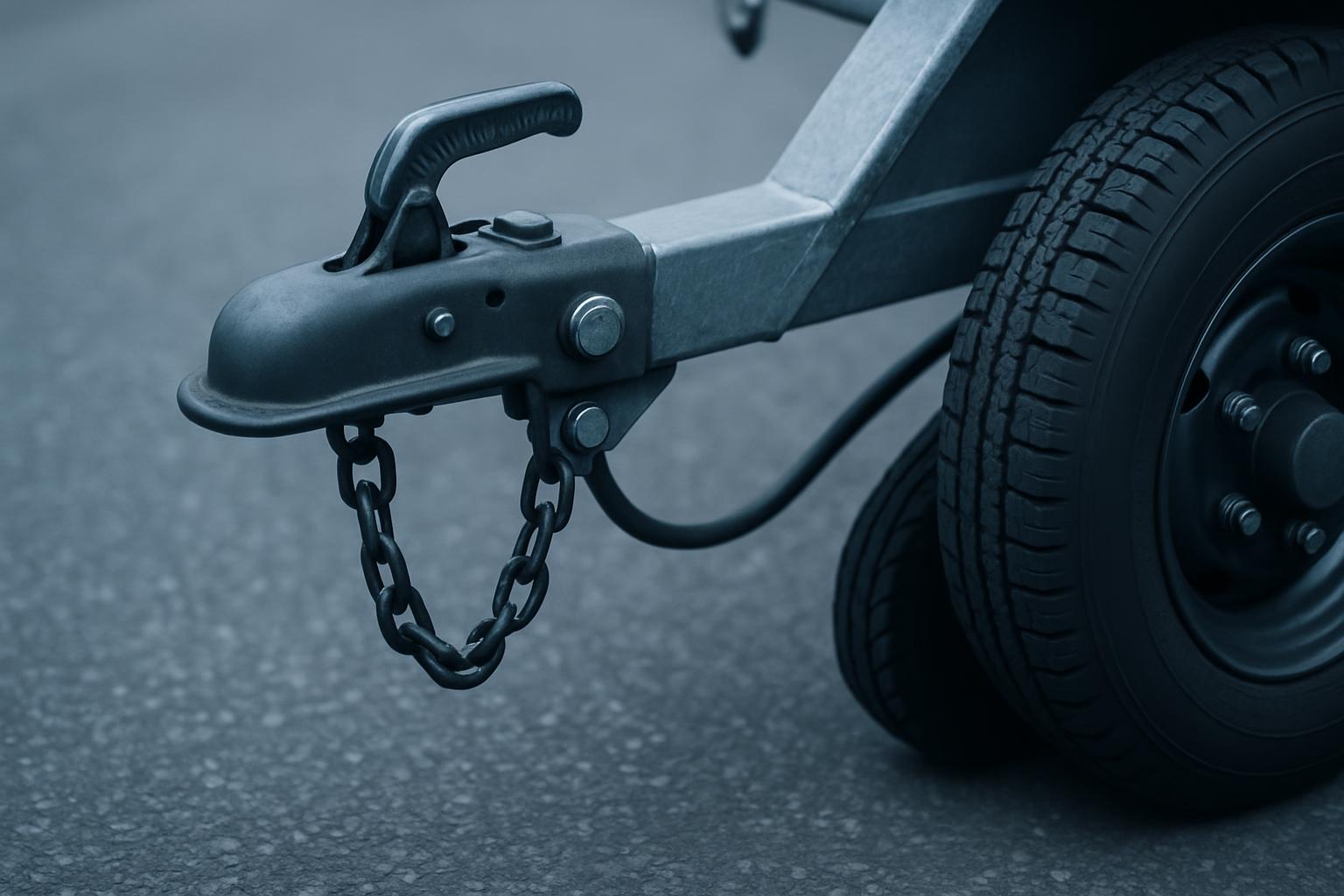
- Tow ball and coupler locked
- Display frames braced against sway
- Plug, indicators and brake lights tested
- Spare ratchets packed for reloading
- Load plan matched with Axles guidance
Activation teams often hand over between cities, so the packing note should mention the venue type and any site restriction. Clearwater, Cresta, Pavilion, Tyger Valley, Baywest, Mimosa and Riverside all have different loading bays, turning circles or booking procedures that affect trailer access.
Common snags on promo runs
Problems usually start when event stock is treated like ordinary courier freight. Freestanding signage can shift into tent poles, acrylic counters can mark easily, and boxed giveaways often end up packed too far back after a late-night strike. A trailer for activations needs the load set out for repeated packing, not a once-off trip.
Read the related axle notes for load distribution, tie-down rhythm, and brake honesty. The editorial team writes for Germiston mornings and coastal Fridays without filler. Operated by Astros Marketing (Pty) Ltd from 2 Makro Place, Sunnyrock 1401.
Some campaigns carry public-facing display kit on the outbound leg and damaged material, empty ballast or leftover stock on the return. Mention both directions in the message so the trailer layout can account for mixed cargo, loose parts and repacking between Durban, Johannesburg or Cape Town stops.
Site conditions that affect loading
Mall campaigns may need narrow access and quiet unloading before trading hours. Sports events often add barricades, bottled stock, generators and longer push distances from parking to setup point. Coastal venues bring salt air, while inland summer storms call for covers, dry storage and extra attention on plugs and lamp housings.
Reference material helps when several crew members share one event circuit. Browse Projects for comparable work and use Gallery to look at body styles, tie-down positions and loading layouts that suit display kit, branded structures and support stock.
Before rolling out, do a full walk-around with the packed activation load in place. Check the coupling pin, safety chain, wheel nuts, plug, straps and spare wheel, then confirm nothing overhangs where venue ramps or basement entries could catch it. If the campaign includes more than one load type during the same run, include that detail in the message.
The second inspection often picks up the small faults that cause delays at the next stop. A loose banner tube, a flattened carton stack or a dim rear marker can be easy to miss under yard lighting, but it shows up quickly on the N1, N3 or M4. Mark the packing order on the load sheet so the next team rebuilds the trailer the same way.
What our Multi-Axle Trailer customers say
Verified Google reviews