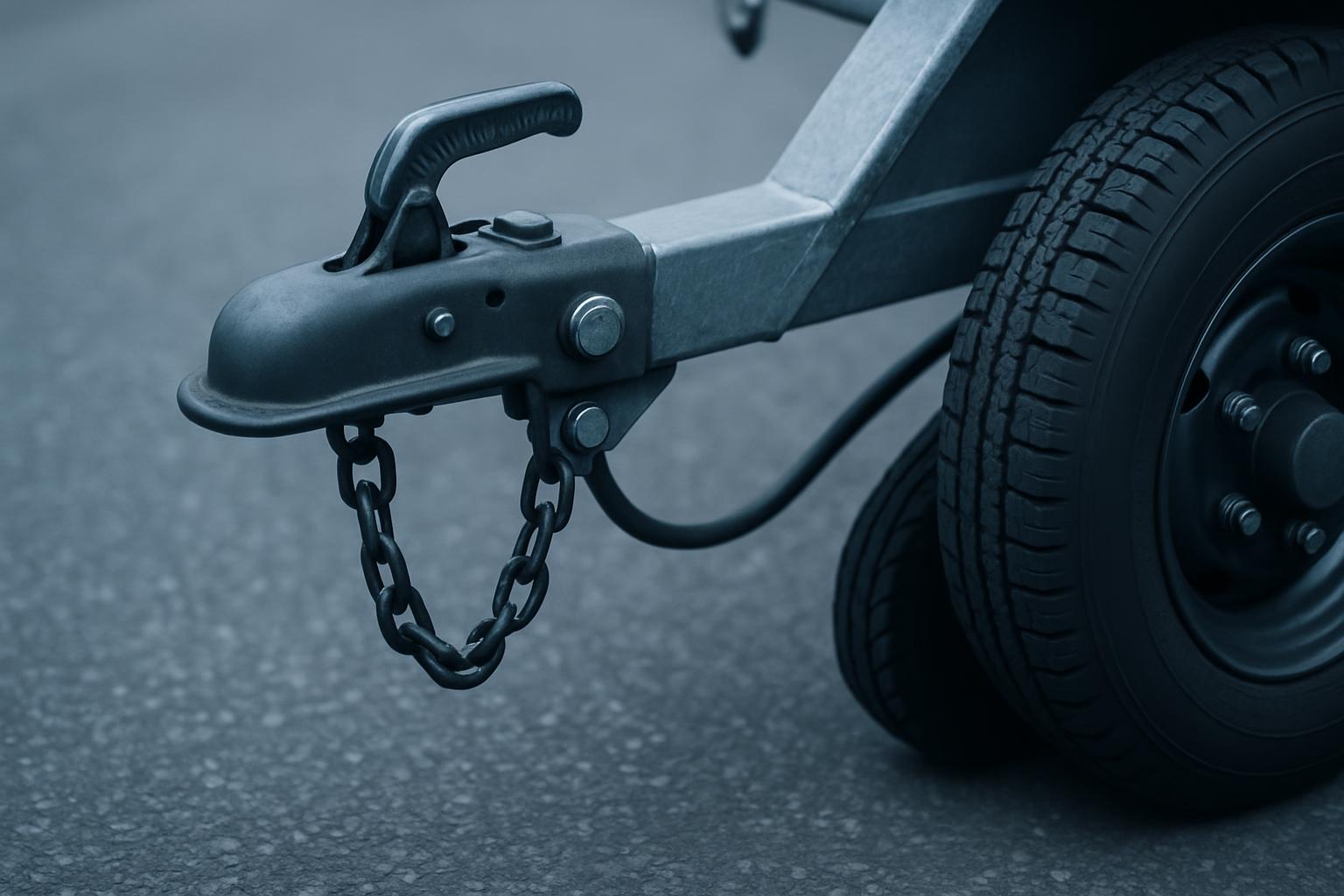
Haul path
Film location
Grip and set pieces that must arrive without drama.
Paired trailer: Event Display Rig

Grip trucks, base camp runs
Film location work means shifting set pieces, grip kit, cable trunks and wardrobe between yard, base camp and shooting point. Routes often include studio gates, gravel access roads and tight turns around generators or parked crew vehicles. Use Trailers to compare body styles if this haul also needs covered storage on site.
Different film loads ask for different trailer layouts. Lighting stands and track sections sit better with tie-down points spaced for long items, while props, soft cases and catering support need weather cover and steadier packing. Around the Highveld, dust gets into latches and plugs quickly, and coastal shoots add salt spray that calls for extra rinsing and light checks.
Take photos after the first proper pack, with straps, nose weight and rear lighting visible. That record helps when the same unit moves from a city street call to a farm road or quarry entrance. Send the haul details through our contact form and note the trailer combination you have tested so far.
Checks before first call time
- Coupler locked and pin clipped
- Nose weight suits tow vehicle
- Marker lights visible after loading
- Spare wheel and brace packed
- Relevant axle note from Axles
Film crews often move between shopping centres, open plots and hired venues in one schedule. Site rules can change from basement loading bays to gravel overflow parking, so ramp angle, overall height and turning room should be checked before dispatch. Clearwater, Cresta, Pavilion, Tyger Valley, Baywest, Mimosa and Riverside all bring different access patterns for support vehicles.
Typical set-day snags
Problems usually start when a load grows after the packing list was signed off. Extra apple boxes, truss, pop-up gazebos or rolled backdrops can block lights, upset balance or leave nothing secure for the return trip. Gravel shoulders and verge parking then make every loose item more noticeable.
Read the related axle notes for load distribution, tie-down rhythm, and brake honesty. The editorial team writes for Germiston mornings and coastal Fridays without filler. Operated by Astros Marketing (Pty) Ltd from 2 Makro Place, Sunnyrock 1401.
Some shoots need one trailer for transport and another as static on-site support. Flag that split early if the plan includes overnight parking, wet weather covers or repeated unloading through a narrow side gate. Include the haul page name, trailer type and city in the message so the requirement is easy to place.
Site conditions that change loading
A film location can mean manicured estate roads, coastal grass, red-dust quarry tracks or a muddy sports field after rain. Each setting affects tyre choice, mud build-up under guards, plug cleanliness and how securely cases stay stacked. Long lighting poles, flats and generator leads also need restraint points that stop sideways creep on corrugations.
Reference images help when a production manager, driver and art department are packing from different lists. Browse Projects for working examples, then use Gallery to inspect trailer layouts, tie-down positions and body proportions.
Before leaving the yard, do one full walk-around with the actual shoot load in place. Check breakaway items, plug connection, licence plate visibility, strap tails and whether the rear door can still open safely at site. If the week includes both studio transfers and rough-location runs, mention both when you send the brief from Germiston.
That final inspection often picks up the small faults that turn into roadside delays. A twisted strap, dusty lamp lens or underinflated spare is easy to miss while crew are still packing. Two minutes in the yard is better than sorting it out on the N1 shoulder with call time approaching.
What our Multi-Axle Trailer customers say
Verified Google reviews