Specs
Cage Side Utility setup
Set the Cage Side Utility on level ground before anything else. Measure hitch height against the tow ball, latch the coupling fully, and check that the cage doors, tailgate and safety chain points are all secured. A short empty run inside the yard helps pick up rattles, light faults and any wheel issue before stock or equipment goes on.
Setup notes for Cage Side Utility
For Cage Side Utility setup, start with the tow vehicle and trailer standing straight so the coupling closes cleanly. Tyre pressures, wheel nuts, lights and the breakaway or brake link if fitted should be checked before moving off. On cold Highveld mornings around Germiston, crews often recheck the latch after the first slow lap because metal clearances can feel different before everything warms up.
Choose the axle layout and rated mass for what the trailer will carry most often, not only for the easiest trip. A cage-side unit moving feed, tools or refuse around South African yards needs enough margin for uneven loading and rough access roads. Mark the spare wheel position, wind the jockey wheel fully up, and make sure tie-down points are free before the gate is shut.
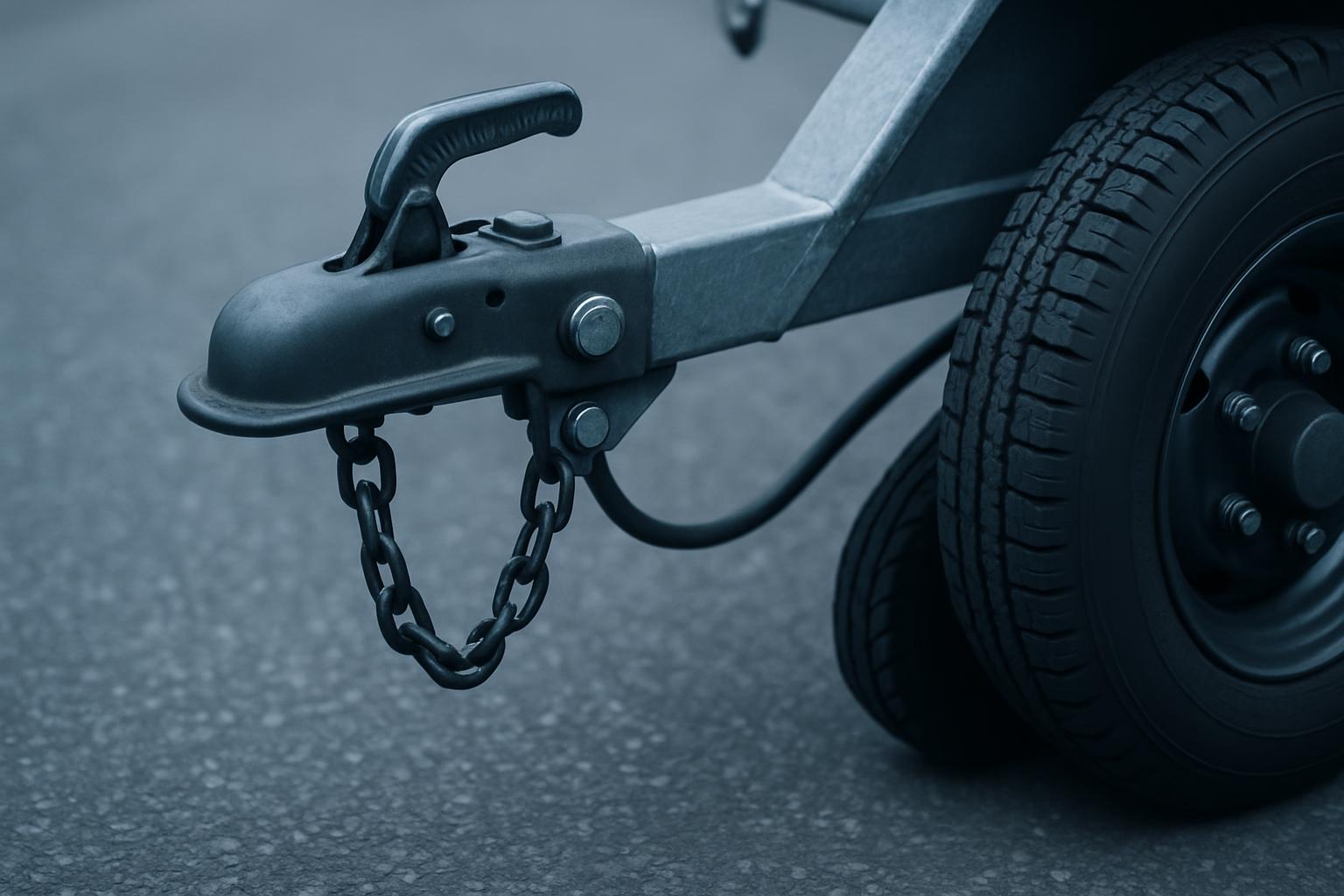
Record the first setup with clear photos of the coupling head, safety chains, electrical plug and number plate area. Keep those images with the trailer file so the next driver can compare pin position, drop height and cage configuration without guessing. A brief note on load type, tyre pressure and tow vehicle makes handover much easier than a long general message.
Cage panels and deck checks
What goes inside a cage-side trailer changes how the setup should be done. Bagged goods and loose bins need the side mesh and latch points checked so nothing works free on corrugated roads, while longer items need weight kept low and centred over the axle line. If the trailer is twin axle, inspect each hub and tyre separately because one side can run hotter after tight yard turns.
- Latch pins seated before gate closure
- One slow yard circuit while empty
- Hub warmth checked after gravel sections
- Jockey wheel raised and clamp tightened
Use the matching haul path and the right axle note when planning a Cage Side Utility run. If your bakkie or tow vehicle sits higher or lower than the normal South African tow-ball range, add that detail through our contact form so the setup can match the actual hitch position.
Signs the setup is wrong
Pull over if the trailer leans to one side, the cage starts shaking more than expected, or the tail section bottoms out on an entrance. A different haul path can solve approach angle or turning room problems before goods are damaged or straps start loosening. For yard work and road work alike, it is better to change the route than drag one trailer through every condition.
If a handover moves between Clearwater, Cresta, Pavilion, Tyger Valley, Baywest, Mimosa and Riverside, note the exact Cage Side Utility variant, tow vehicle and load type used. That lets the next branch continue with the same setup details, including coupling height and cage configuration, instead of repeating the first checks from scratch.
What our Multi-Axle Trailer customers say
Verified Google reviews