Specs
Dual Axle Hauler setup
Set tow height first, then roll the trailer empty around the yard, and take clear photos of the initial loaded position. That sequence helps on a Dual Axle Hauler where drawbar angle, axle share, and tie-down points all affect how the trailer settles behind a bakkie or light truck.
Setup notes for Dual Axle Hauler
Begin the Dual Axle Hauler setup with the trailer standing level on firm ground and the coupling matched to the tow ball height. After that, inspect wheel nuts, tyre pressures, lamp plugs, safety chain fitment, and brake operation where overrun brakes are fitted. On cold Highveld mornings around Germiston, crews often recheck pressures once the tyres have moved and warmed slightly.
A dual axle layout suits loads that need better balance over two axles instead of one heavy point under the deck. Check that the GVM, tyre rating, and load position match the cargo you actually move, whether that is equipment, stock, or general yard transport. Before leaving the gate, make sure the spare wheel, jockey wheel clamp, and each strap or chain are secured properly for road vibration.
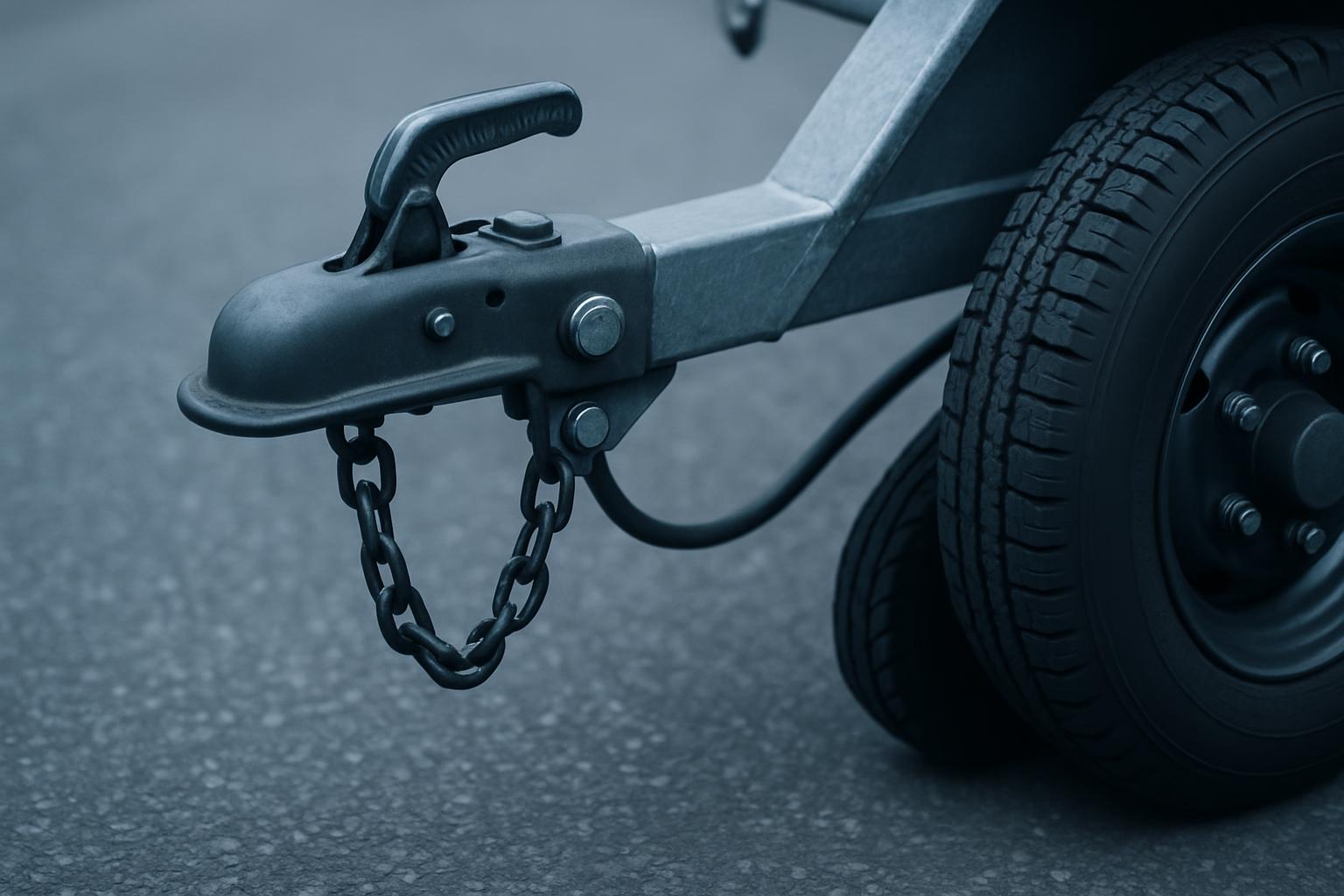
Take one photo from the side and one from the hitch area on the first setup, with the coupling, safety chain, and load line visible. Keep that record with the trailer file so the next driver can see hitch height, nose weight stance, and tie-down placement without guessing. A short note on vehicle used, tyre pressures, and intended route is more useful than a long general message.
Deck balance and axle share
Place weight slightly forward of the axle line, but do not force excessive nose weight onto the tow vehicle. Machinery and palletised goods need firm restraint at chassis points, while longer items may need front stops and rear flagging depending on projection. On a Dual Axle Hauler, one underinflated tyre can shift load share across the pair and raise hub temperature on the opposite side.
- Coupling level before road departure
- One empty circuit inside the yard
- Touch hubs after the first run
- Park with wheel chocks and handbrake
Use this setup page together with the matching haul path and axle note when you are planning a specific towing combination. If your tow vehicle sits unusually high or low for the trailer drawbar, send the measurements through our contact form so the setup can be checked against the intended use.
Signs the setup needs revision
Stop and reassess if the trailer noses up, the rear lamps shake loose, the deck grounds on an entrance, or the load shifts during the first few kilometres. It is often better to change the haul path early than to keep adjusting straps on the roadside. For tight yards or uneven access roads, a different loading order or tow vehicle height can solve the problem before the next trip.
If the setup discussion moves between branches, include the trailer name, axle layout, tow vehicle, and the route or yard where the issue appeared. Notes that mention places such as Clearwater, Cresta, Pavilion, Tyger Valley, Baywest, Mimosa, or Riverside help the next team understand whether the concern came from parking gradients, access ramps, or road distance.
What our Multi-Axle Trailer customers say
Verified Google reviews