Specs
Flatdeck Long Run setup
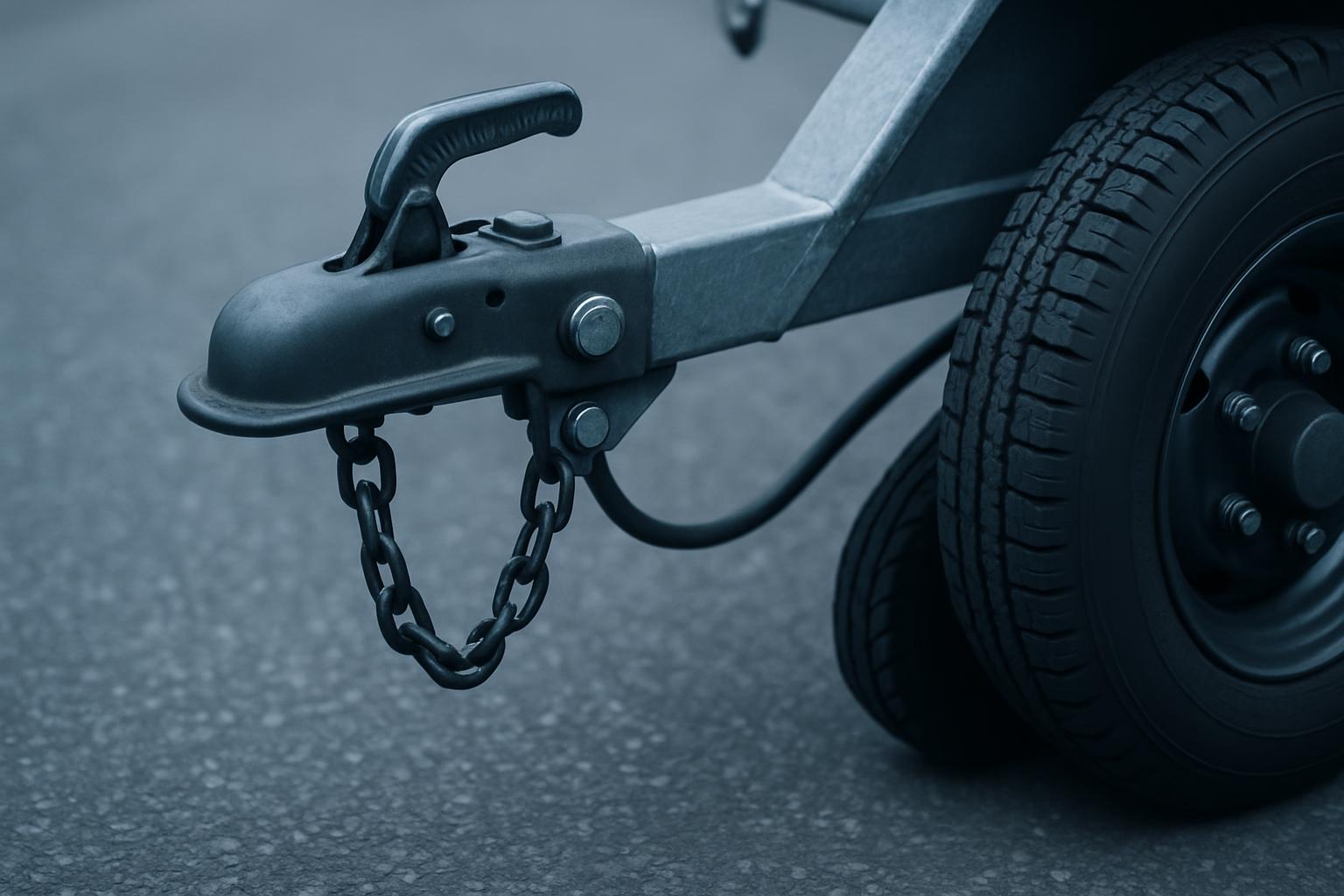
Set the Flatdeck Long Run on level ground before any cargo goes near it. Start with drawbar height, plug connection, and safety chains, then run a few empty circles in the yard to listen for brake drag or a loose rattle. First-load photos should show the hitch, axle line, tie-down points, and how the weight sits over the deck.
Setup notes for Flatdeck Long Run
A Long Run setup begins with the running gear, not the paperwork. Check tyre pressures against the work ahead, confirm the coupling sits square on the tow vehicle, and make sure every lamp is clean enough for an early departure in Highveld dust. After that, do three unloaded yard laps and test braking response before heading out of Germiston.
Choose the axle arrangement for the load mass and the road distance, not just for what is parked closest to the gate. Heavy plant or palletised steel needs the right GVM and firm tie-down points, while lighter mixed freight can sit well on a simpler build if balance is correct. Mark the spare wheel location, inspect the jockey wheel, and recheck any strap that loosened overnight.
Record the first hookup clearly so the next driver sees exactly how this Flatdeck Long Run was set. Include the pin, chains, electrical plug, and the front section of the deck in the frame, then save the images where the yard team can find them fast. Add a short note with tow vehicle, load type, and any height change that mattered on the day.
Deck loading for long hauls
This flatdeck works best when the load matches the deck length, tie-down layout, and approach angle at loading points. Crated goods need even spread across the chassis, timber packs need proper restraint at the ends, and machinery needs ramp geometry that does not strike underbody parts. On twin-axle units, each sidewall and hub should be checked separately before a run on rough yard surfaces or patched provincial roads.
- Clean lenses before leaving the yard
- Three unloaded laps after hitching up
- Feel hubs after dusty site sections
- Park with jockey wheel supported and covered
For this trailer, read the matching haul path together with the axle note before setting drawbar height or loading position. That combination helps when the route includes tight yard turns, patched industrial roads, or long N-route distances with a steady deck load. Use our contact form if the tow vehicle sits higher or lower than the usual South African bakkie hitch range.
Signs the route must change
Stop and reassess if the rear of the deck bottoms out at an entrance, if a lamp quits during the first yard circuit, or if the load shifts within the opening kilometres. A different haul path can solve clearance, turning, or surface problems before straps, tyres, or cargo take strain. Forcing one route to suit every flatdeck movement usually creates more work at the next gate.
If a handover moves between branches, note the trailer name, axle layout, and the route attempt that failed or worked. Teams at Clearwater, Cresta, Pavilion, Tyger Valley, Baywest, Mimosa, and Riverside can pick up the setup details faster when the record names the hitch height and the type of load carried.
What our Multi-Axle Trailer customers say
Verified Google reviews