Plant
Plant Multi Axle
Multi-axle plant trailer for compact excavators and rollers.
Use Send us a message to describe the machine, towing vehicle, and route. Open Specs for the 3 axle layout, 6000 kg GVM band, and ramp detail. Service covers the checks that matter after loading a compact excavator or roller.
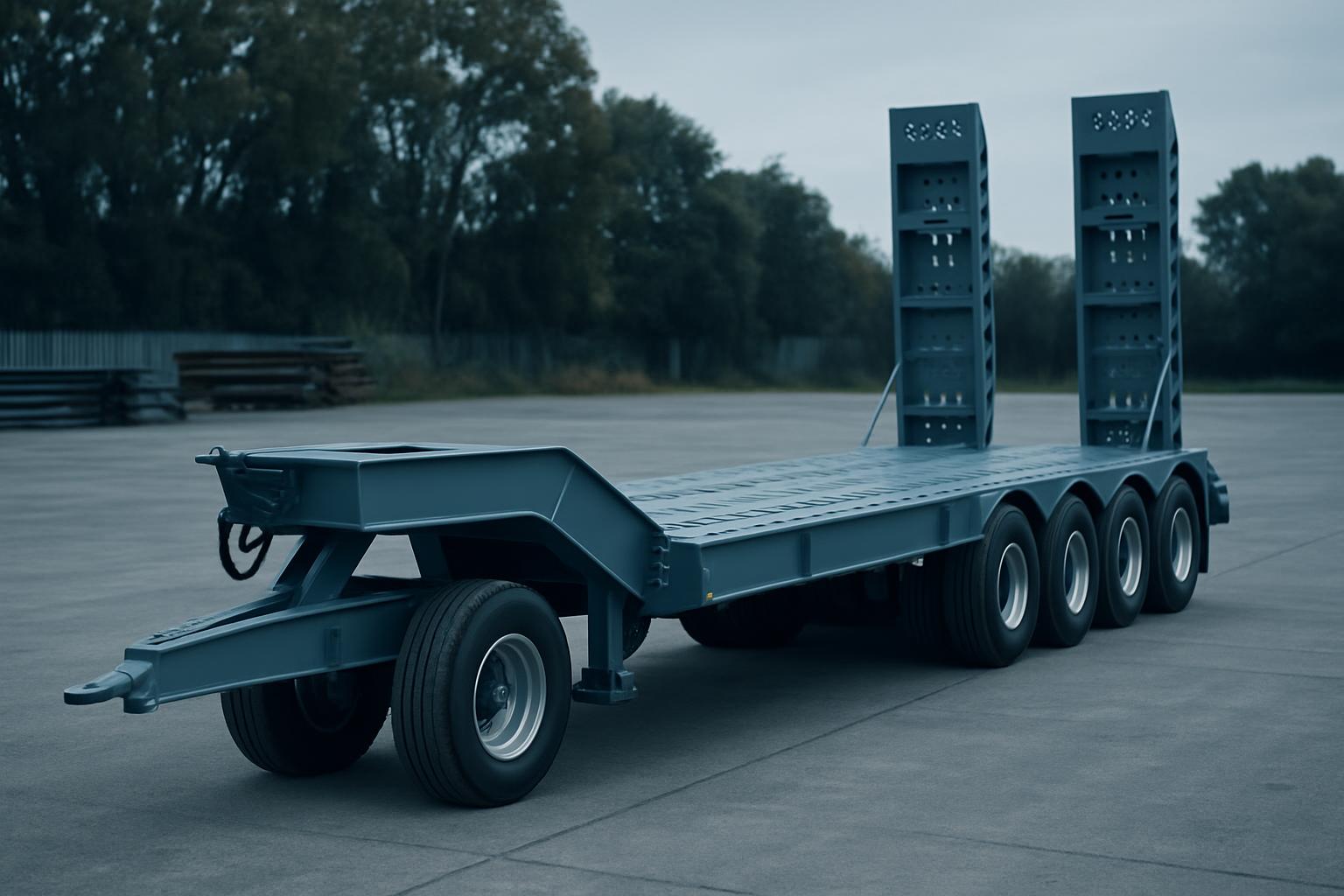
Compact plant on a 3 axle deck
Plant Multi Axle is set up for compact excavators, small rollers, and similar site machines that need steady support across a longer deck. The 3 axle arrangement helps spread weight sensibly within the 6000 kg GVM band, which matters when yard surfaces are uneven and site entrances are tight. Operators loading in Germiston yards or on mixed gravel approaches should check machine position before tying down, not after the ramps are stowed.
Begin with machine mass, track or drum width, and whether the unit drives cleanly up ramps. A compact excavator with a blade and bucket sits differently to a pedestrian roller, so the tie-down plan must match the machine shape. Plant Multi Axle includes ramps, making it suited to deliveries where plant is loaded on site rather than by forklift. Keep the coupling height right on the tow vehicle so the deck runs level and the axles share the work properly.
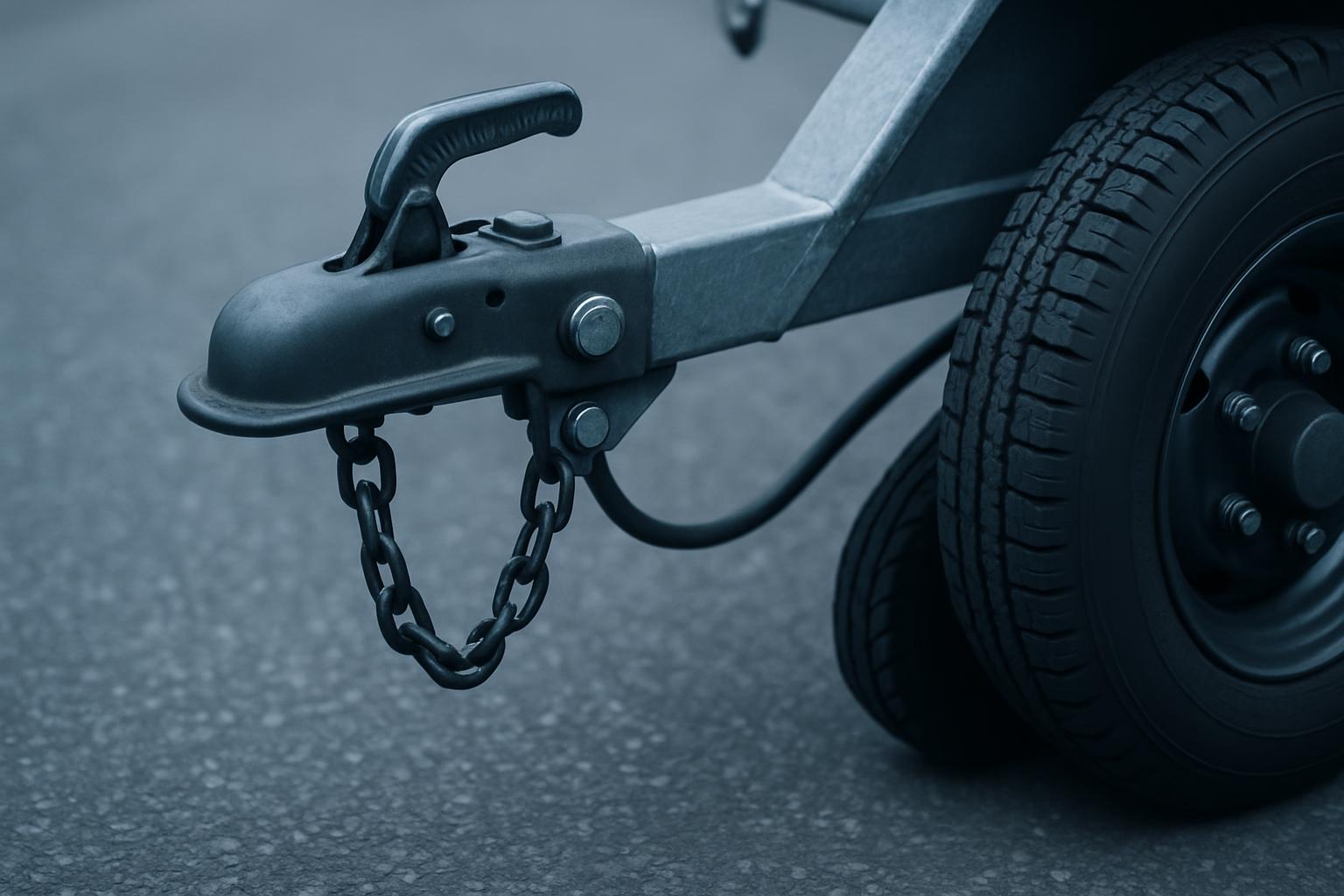
Dont skip the first coupling photo. Every commissioning pack includes a brief card and a tip to photograph the first coupling with the hitch and pin in frame. That is the difference between a calm restart and a scrap call at 05:40.
Commissioning checks before first load
Each handover should cover ramp fitment, coupling position, and where the machine sits over the axle group. The brief card for this trailer matters because a first load often happens in a busy yard with people watching the machine, not the hitch. If the route needs wider planning beyond the trailer itself, start with Hauls and map the access points first.
Read the note under Axles before deciding where to place a compact excavator, especially if attachments stay fitted during transport. Use our contact form when you need to mention machine type, loading surface, and the road section between yard and site. After the first loaded trip, inspect straps, ramp pins, and light plugs again if the trailer has worked over corrugations or broken tar.
- Photograph hitch and pin on first coupling
- Ramps included for site machine loading
- Check strap angles after bucket position changes
- See related haul paths and axle notes
Yard and road conditions that matter
A plant trailer works differently on a paved industrial yard than on a loose site entrance after summer rain. In Gauteng, dust builds up around plugs, lamps, and moving points, while coastal work adds salt residue that should be rinsed off before it sits. With compact plant on board, a short route can still punish straps and couplings if the surface breaks up near gates or shoulder edges.
Watch the ramps where the approach angle is poor, particularly at stormwater channels, older kerbs, or site entrances cut into soft verge. On inland routes, dust can hide loose fasteners, so a visual walk-around should include the ramp latches and wheel nuts. If the trailer has been standing after a wet coastal run, separate the brake check from the light check and wipe the plug before coupling. Also make sure you separate machine tie-down checks from general lamp checks when several people are loading at once.
Astros Marketing (Pty) Ltd operates from 2 Makro Place, Sunnyrock 1401, with our Germiston office in Johannesburg.
Numbers your workshop will ask for
| Axles | 3 |
|---|---|
| GVM band | 6000 kg |
| Notes | Ramps included |
Your workshop and driver need these details before loading starts: 3 axles, 6000 kg GVM band, and ramps included. Those figures help when matching a tow vehicle, checking licence requirements, and deciding whether the machine should travel with attachments fitted. Use the contact form if you need to add route details, gate widths, or the machine model to the enquiry.
What our Multi-Axle Trailer customers say
Verified Google reviews